World's Most Seamless
Carbon Marketplace

Hestiya brings verified carbon credits, I-RECs (EAC), and high-integrity climate projects onto one platform — the Hestiya Marketplace.

Explore the Marketplace
CDP alignedGHG Protocol alignedGRI alignedRE100 / CDP compliant EACs
How it works

Carbon Credit Marketplace for High-Integrity Climate Projects

Managing climate commodities usually means juggling brokers, spreadsheets, and registry portals that don't talk to each other. The carbon credit marketplace replaces that with one digital platform where credits, I-RECs (EAC), and project documentation sit together, giving your team transparency and traceability across every asset you hold.

Whether the goal is Scope 2 emissions reduction, a net-zero target, an RE100 commitment, or a broader sustainability mandate, the same platform handles it. Procure environmental commodities against the standard your reporting requires, not the one your supplier happens to offer.

01

Compare Climate Projects

Browse and compare climate projects by region, technology, and impact area. Review methodology, standard, vintage, and co-benefits before you commit, so you base your decision on evidence rather than a broker's summary.

02

Transparent Climate Procurement

Project and certificate information sits in one place, so transparent climate procurement means evaluating integrity, pricing, and documentation before purchase or retirement rather than reconstructing it afterwards.

03

Track Your Climate Assets

Track carbon credits and I-RECs (EAC) through their full lifecycle. Holdings, retirements, serial numbers, and supporting documents stay visible and exportable whenever reporting season arrives.

04

Framework-Aligned Commodities

Every credit is aligned with CDP, the GHG Protocol, GRI, and leading sustainability frameworks, making your reporting audit-ready, transparent, and impact-driven. Your disclosure team inherits documentation that already fits the format they file in.

Climate Project Portfolio

Explore Verified Climate Projects

From nature-based restoration to technology-driven removal, verified climate projects that fit the shape of your decarbonization strategy.

Reforestation & Ecosystem Restoration
Verra / Gold Standard / CCB
Nature-Based Solutions

Reforestation & Ecosystem Restoration

Reforestation carbon credits span ARR projects (afforestation, reforestation, and revegetation) and REDD+ programs that protect standing forest from conversion. Beyond sequestration, these projects deliver biodiversity gains, ecosystem recovery, and community development outcomes that strengthen a diversified carbon portfolio. Each is verified against recognized standards with independent audit trails available before purchase.

Methane Capture & Industrial Decarbonisation
CORSIA / Article 6 Compliant
Technology-Based Removal

Methane Capture & Industrial Decarbonisation

Methane capture carbon credits address hard-to-abate sectors where emissions cannot simply be designed out. Landfill gas recovery, agricultural digesters, and industrial efficiency retrofits deliver measurable reductions with shorter verification cycles than most nature-based work. For buyers with compliance obligations, these technology-based projects offer the documentation depth that regulated reporting requires.

Blue Carbon & Coastal Mangroves
Global Quality Audited
High-Sequestration Removal

Blue Carbon & Coastal Mangroves

Blue carbon credits come from protecting and restoring coastal ecosystems, principally mangroves, which store carbon at rates well above terrestrial forests. Alongside sequestration, these projects rebuild fisheries habitat and coastal resilience for communities exposed to storm surge and erosion.
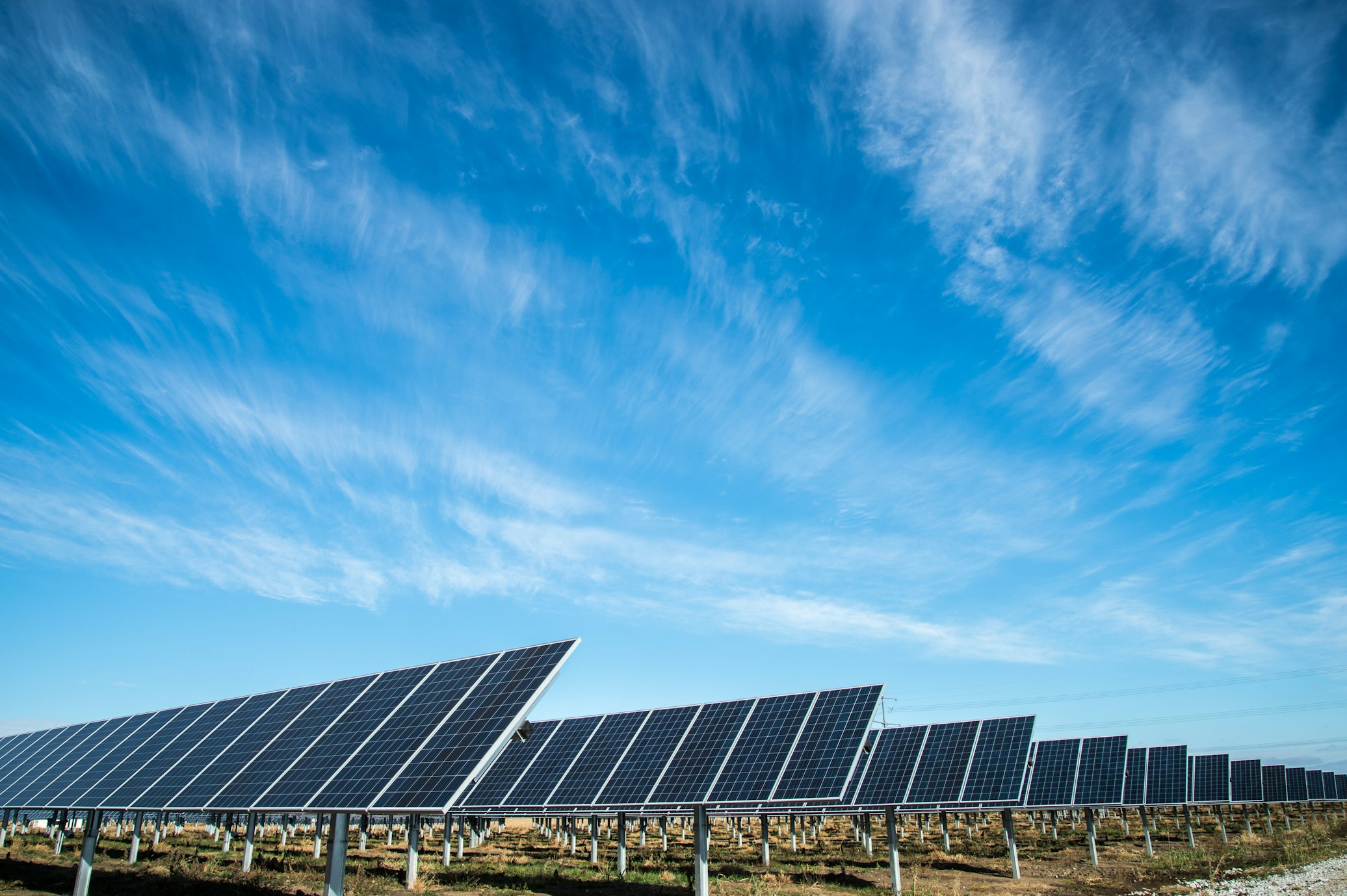
Energy Attribute Certificates

Renewable Energy Certificates I-REC (EAC)

The I-REC (EAC) marketplace helps businesses procure International RECs and other energy attribute certificates for renewable electricity sourced from solar, wind, and hydro generation across active markets. Buyers with Indian operations can review current pricing, technologies, and available volumes on the India market page, or size their requirements using the I-REC (EAC) calculator.

Scope 2 Emissions Management

Each certificate represents one megawatt-hour of renewable generation, mapping directly onto market-based Scope 2 emissions management in your GHG inventory.

Renewable Energy Procurement

Source certificates across multiple technologies and markets without negotiating separate PPAs in every country you operate in.

RE100 & Sustainability Reporting

Certificates meet RE100 technical criteria, so renewable claims survive the scrutiny that comes with public sustainability reporting.

Certificate Lifecycle Management

Track issuance, transfer, and redemption with serial-level records, keeping certificate lifecycle management auditable end to end.

Global Renewable Energy Access

Reach renewable energy supply in markets where direct procurement is impractical or unavailable to foreign buyers.

Browse the I-REC (EAC) Marketplace
Solar Panels Renewable Energy
Registry: Evident / TIGRs
Compliance: RE100 / CDP
Why Choose Hestiya

Why Choose Hestiya's
Carbon Credit & I-REC (EAC) Marketplace

The platform goes beyond connecting buyers and sellers. It is built for procurement teams who need climate purchases to be transparent, manageable, and defensible.

100%Traceable
AuditReady

Transparent & Traceable

Project and certificate information stays accessible across the procurement lifecycle, giving finance and sustainability teams the same view of every environmental asset held.

Audit-Ready Documentation

Project files, certificates, procurement records, and retirement evidence are organized to support external reporting and internal review without a document hunt.

Quality-Focused Projects

Every listing ties to a recognized standard and verification framework, with the underlying methodology available so you can judge environmental integrity yourself.

Global Climate Portfolio

A growing portfolio spanning regions and project types: nature-based removal, technology-based reduction, I-RECs (EAC), and other environmental assets.

Built for Business

Suitable whether you are buying your first I-RECs (EAC), assembling a portfolio, or running a full corporate decarbonization strategy.

Framework Aligned

Every credit is aligned with CDP, the GHG Protocol, GRI, and leading sustainability frameworks, so your framework-aligned carbon credits arrive reporting-ready.

From Climate Goals to Climate Action

A sustainability strategy shouldn't require four disconnected systems and a spreadsheet to hold it together. One climate action platform for carbon credits, I-RECs (EAC), and the projects behind them, with the documentation your reporting depends on.

Launch the Hestiya Marketplace
FAQ

Frequently Asked Questions

One carbon credit represents one tonne of CO₂ equivalent reduced, avoided, or removed from the atmosphere by a verified project. Credits are issued by a registry only after the reduction has occurred and been independently confirmed, then retired against a buyer to prevent resale.

Verified credits carry certification under a recognized standard such as Verra, the Gold Standard, or the American Carbon Registry, plus a unique serial number in a public registry. Our buyer’s checklist sets out the five questions worth asking before any purchase.

A carbon credit represents one tonne of CO₂ reduced or removed and applies across your footprint. An I-REC (EAC) represents one megawatt-hour of renewable electricity and applies specifically to Scope 2 emissions management. Many organizations use both for different parts of the same inventory.

It depends on where your electricity is consumed. RECs apply in North America, Guarantees of Origin in Europe, and I-RECs across much of Asia, Africa, and Latin America. Our comparison of I-RECs, RECs, and GOs covers region, use case, pricing, and ESG treatment.

Under the GHG Protocol’s market-based method, retired certificates allow you to claim the renewable attribute of electricity you consumed. Each megawatt-hour retired reduces reported Scope 2 emissions. Our guide to the ESG to carbon credit journey walks through the full sequence.

Listings tie to recognized carbon standards, including Verra, Gold Standard, and CCB, with CORSIA and Article 6 eligibility flagged where applicable. Reporting aligns with CDP, the GHG Protocol, GRI, CSRD, and RE100. Full detail sits in our methodology.

The main factors that drive carbon credit pricing are project type, geography, vintage, permanence, and certification level. Nature-based removal typically costs more than avoidance credits, and technology-based removal costs more than both. Live pricing by market is available through Hestiya Intelligence and on our country market pages.

Yes, and credibility depends more on documentation than on volume. Measuring your footprint, reducing internally where possible, and disclosing which projects you funded matters more than the size of the purchase. Our guide for SMEs building climate credibility covers the approach.

Rating agencies weight materiality differently, use different data sources, and disagree on how to treat missing disclosure. The result is that the same company can score well with one agency and poorly with another. We examine why ESG ratings diverge in detail.

AI helps automate data collection, estimate Scope 3 categories where primary data is missing, and flag anomalies before disclosure. It does not remove the need for human review, particularly where estimates feed audited reporting. Our piece on AI in ESG reporting covers the benefits and the risks.

Size your requirement with the I-REC (EAC) calculator, review available projects on the marketplace, or talk to an advisor about matching instruments to your reporting obligations.

Resources

Explore Hestiya's Climate Solutions

Deeper reading on the instruments, markets, and standards behind every purchase.

Talk to an Advisor